• Increase font size
  • Default font size
  • Decrease font size

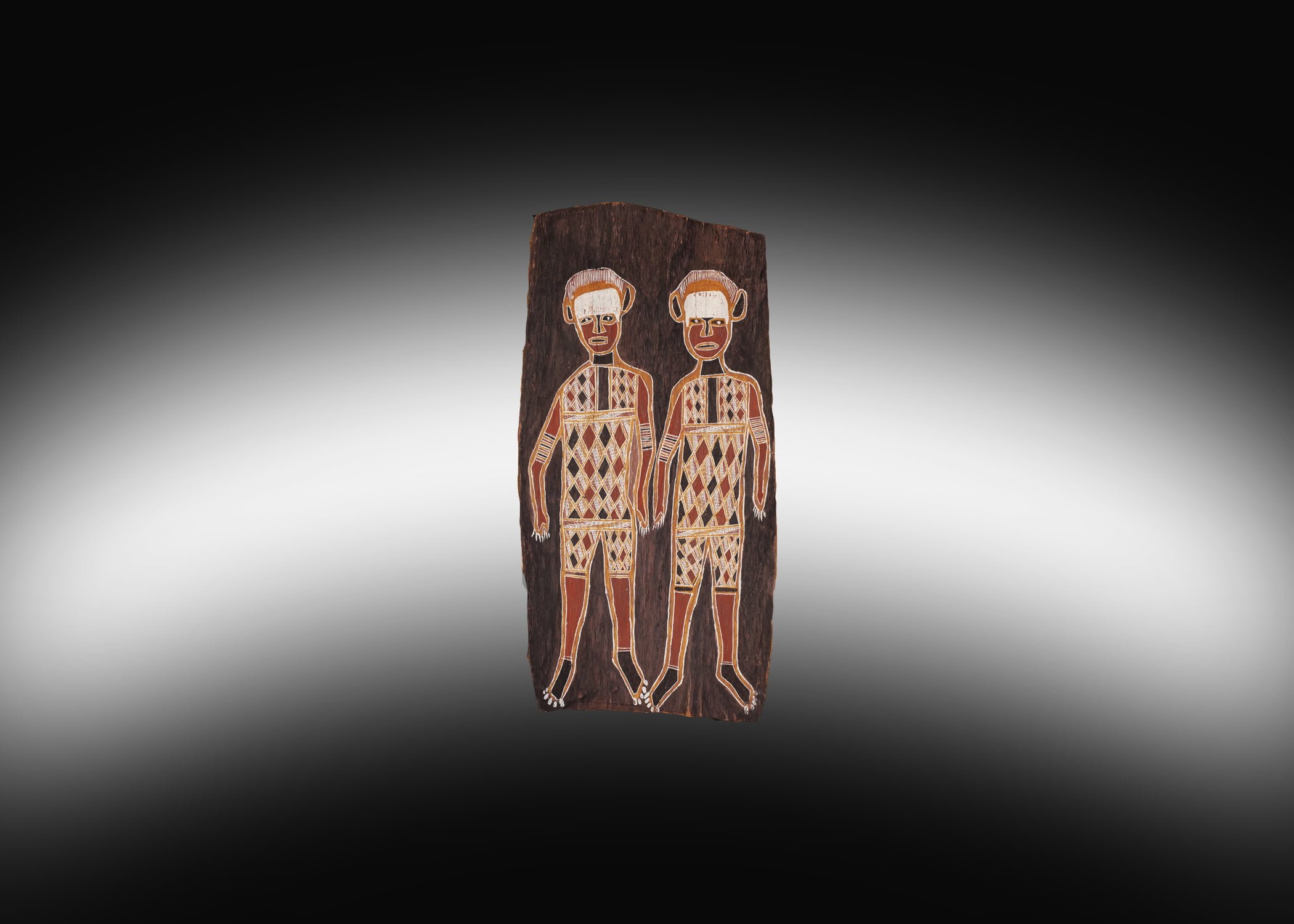
Aboriginal Bark Paintings of Arnhem Land

Aboriginal Bark Paintings of Arnhem Land:


About twenty years ago there came to Yirrkala, in remote Arnhem Land, a letter addressed to the Aboriginal artist living there, written by Picasso. It said: ‘I admire and envy your art’. Since then the work of Mawalan, Madaman, Birrigidi, Djawa, Dawdi, Malangi, Yirrwalla and many other Yulngor artists has captured the attention of the international art world. For this is the art of a people whose occupation of this area has been established at 40,000 years or more. The art is unique, in as much as it is one of the oldest primitive arts surviving in the world today. In addition, anthropologists have long considered the Yulngor to possess the most complex social structure amongst all native peoples. This is reflected in the complexity of their art. The bark paintings, as well as being the art of the Yulngor, are also their theology, history and literature.


Read more...
 

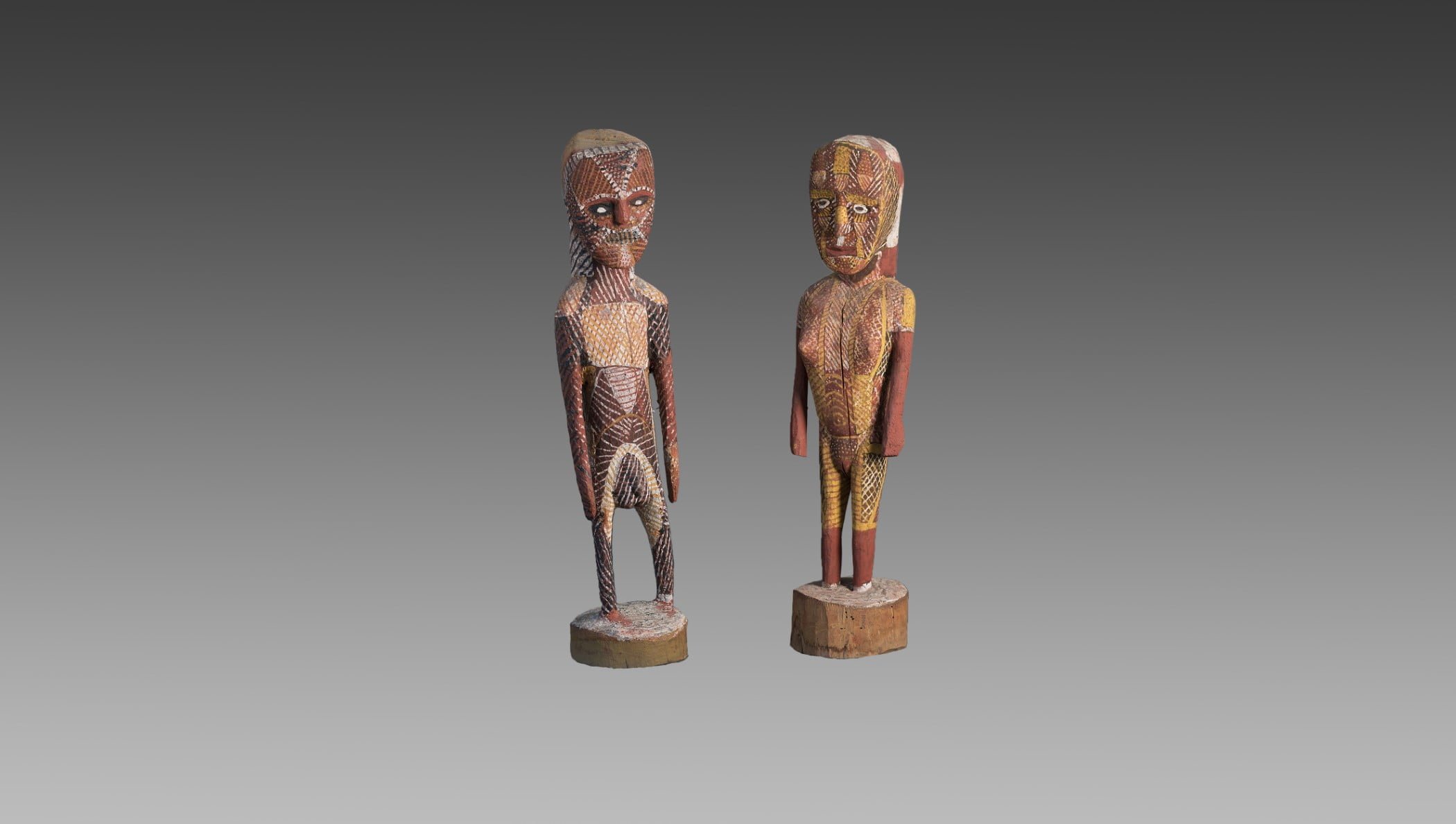
Narritjin Maymuru and The Possum Tree Myth

Narritjin Maymuru

Narritjin MaymuruNarritjin Maymuru was born in approximately 1912 in Manggalili country, between Caledon Bay and Blue Mud Bay, on the western shores of the Gulf of Carpentaria. In this area he lived until his twenties when he travelled north to Yirrkala, to the newly established mission there. Until then, he led a fully tribal life, knowing no other law than the ‘old law’, and hunting with his relatives using traditional stone tipped spear and woomera. He would also have participated in whatever ceremonies were appropriate to his age grade. He was a great warrior and in 1932 was involved in the massacre of the Japanese pearlers at Caledon Bay.

Read more...
 

A study of the early transitional art of Barambah/Cherbourg Settlement in QLD

Barambah-Cherbourg

Introduction

From the early 19th century, Aboriginal people created artworks that document the history of their interaction with European settlers.Aboriginal people made boomerangs, shields, spear throwers, clubs, walking sticks, stock whip handles and other objects which they decorated with engraving, painting and pokerwork. The designs show Aboriginal links to their land and traditional cultural practices. They also depict contact situations and changing circumstances brought about by European settlement.

Read more...